
A simple habit shift can quietly transform your daily life by changing how you respond to everyday triggers.
Habits often feel like complex systems we struggle to control, something tied to discipline, motivation, or even willpower.
Whether you’re a student, professional, entrepreneur, or busy parent, this planner helps you turn intentions into action and chaos into clarity.
But what if habits are far simpler than we think?
At their core, habits are just triggers that lead to reactions.
When you understand this, everything about behavior change becomes clearer, easier, and far more achievable.
What Is a Habit, Really?
A habit isn’t a personality trait or a moral strength. It’s a loop. Something happens, and you respond.
Trigger (Cue): The event or signal that starts the behavior
Reaction (Response): The action you take automatically
For example, your phone buzzes (trigger), and you check it (reaction).
You feel stressed (trigger), and you reach for a snack (reaction).
Over time, this loop becomes automatic, so automatic that it feels like it’s happening without your permission.
But here’s the powerful part: if habits are just loops, they can be redesigned.
Why This Simple Model Works
When habits are framed as triggers and reactions, they stop feeling overwhelming.
You’re no longer trying to “be better” or “try harder.”
Instead, you’re simply adjusting either the trigger or the reaction.
This removes guilt and replaces it with strategy.
You don’t need more motivation. You need better awareness.
Identify Your Triggers First
Most people try to change habits by focusing on the behavior itself—but the real leverage is in the trigger.
Start asking:
- What happens right before this habit?
- What time of day is it?
- What emotion am I feeling?
You’ll begin to notice patterns.
For example:
- Afternoon fatigue → scrolling social media
- Boredom → snacking
- Stress → procrastination
Once you see the trigger clearly, you gain control over the loop.
Replace the Reaction, Not the Habit
Trying to eliminate a habit entirely often backfires. The brain still recognizes the trigger and craves a response. Instead, swap the reaction.
For example:
- Stress → take a 2-minute walk instead of eating
- Phone notification → take one deep breath before checking
- Boredom → read one page instead of opening an app
You’re not fighting the system—you’re redirecting it.
Make Good Reactions Easier
If habits are automatic, then environment matters more than intention.
Set yourself up so the better reaction is the easiest one:
- Keep a book visible
- Prepare healthy snacks in advance
- Turn off unnecessary notifications
The less effort required, the more likely the new reaction will stick.
Build Awareness, Not Perfection
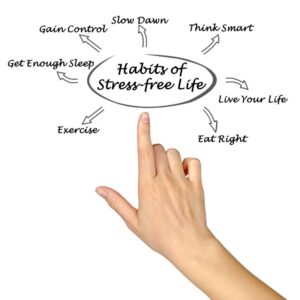 The goal isn’t to become flawless. It’s to become aware.
Every time you notice a trigger and pause, even for a second, you’re interrupting the automatic loop.
That pause is where change begins.
Over time, small adjustments compound.
One better reaction repeated daily becomes a new habit without force.
Notice Your Trigger
You don’t need to overhaul your life overnight.
You just need to notice one trigger and choose a slightly better reaction.
That’s it.
Because when you redefine habits as simple cause and effect, you stop feeling stuck and start feeling in control.