
Are you interested in learning about habit stacking? Building new habits can feel like an uphill climb, especially when motivation fades after a few days.
But what if you didn’t have to rely on motivation at all? That’s where habit stacking comes in.
Lamare Habit Tracker Calendar

With this habit tracker planner, you will be able to focus on adopting new habits in all vital areas of your life, improve your mental and physical wellbeing, relationships, and work-life balance. The weekly habit tracker will also be an immense help if you want to make changes in your life.
Habit stacking is a simple, science-backed method that helps you build new habits by attaching them to ones you already do automatically.
Instead of starting from scratch, you’re building on a foundation that already exists in your daily life.
What Is Habit Stacking?
Habit stacking is the process of linking a new habit to an existing one.
The idea is simple: you take something you already do consistently, like brushing your teeth or making coffee, and “stack” a new behavior right after it.
For example:
- After I pour my morning coffee, I will write one sentence in my journal.
- After I brush my teeth, I will stretch for one minute.
This method works because your brain already recognizes the first habit as a cue.
You’re essentially using it as a trigger for the new behavior, making it easier to remember and repeat.
Why Habit Stacking Works So Well
One of the biggest reasons people struggle with new habits is decision fatigue.
When you have to remember to do something new, it often gets lost in the noise of daily life.
It removes that problem.
By attaching a new habit to an existing routine, you:
- Eliminate the need to remember
- Reduce resistance to starting
- Build consistency faster
Create a natural flow in your day
Over time, the stacked habit becomes just as automatic as the original one.
How to Start Habit Stacking as a Beginner
If you’re new to habit stacking, the key is to start small, almost too small.
Here’s a simple formula to follow:
After [current habit], I will [new small habit].
Start with habits that take less than two minutes:
- After I sit down at my desk, I will take 3 deep breaths
- After I make my bed, I will drink a glass of water
- After I check my phone in the morning, I will read one paragraph of a book
The goal isn’t intensity, it’s consistency.
Once the habit feels automatic, you can build on it naturally.
Common Mistakes to Avoid
Many beginners try to stack too much too quickly, which can lead to burnout.
Avoid these common pitfalls:
- Stacking multiple new habits at once
- Choosing habits that are too big or time-consuming
- Attaching habits to routines that aren’t consistent
- Expecting instant results
Keep it simple. One small habit done daily is far more powerful than big habits done occasionally.
Helpful Tools to Support Your Habit Stacking
While habit stacking is simple, having the right tools can help you stay consistent and motivated.
Here are two popular options:
Atomic Habits by James Clear
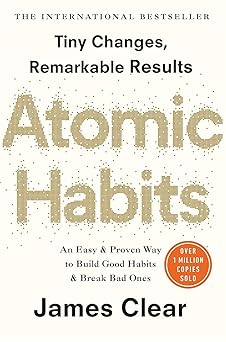
A powerful guide to transforming your life through small, consistent changes. The book explains how tiny habits, when practiced daily, can lead to remarkable results over time.
A must-read for anyone serious about building lasting habits. It breaks down habit stacking and other powerful behavior strategies in a clear, actionable way.
A visual habit tracker that helps you stay accountable and see your progress over time—perfect for reinforcing your new stacked habits.
Start Small, Stay Consistent
Habit stacking isn’t about changing your life overnight; it’s about making small, intentional shifts that add up over time.
The beauty of this method is its simplicity.
You don’t need more time, more motivation, or more discipline. You just need a starting point.
And chances are, you already have one built into your day.