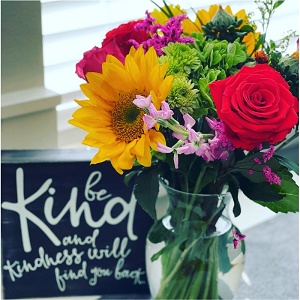
 Choosing kindness sounds simple. Most of us probably think of ourselves as kind people. We help a friend, offer encouragement, say thank you, and try to treat others with respect.
Table of Contents
But kindness gets harder when we’re tired, frustrated, disappointed, or dealing with someone who isn’t being particularly kind to us.
Those are the moments when kindness becomes more than good manners. Choosing kindness becomes a conscious decision about the kind of person we want to be.
We can’t always control how other people treat us, but we can decide how we respond.
Choosing Kindness Doesn’t Mean Being a Pushover
Kindness is sometimes confused with always being agreeable.
Many women have spent years saying yes when they wanted to say no because they didn’t want to disappoint someone.
We volunteer one more time, take on another responsibility, or stay quiet when something bothers us.
But choosing kindness doesn’t mean ignoring our own needs.
We can be kind and still establish boundaries. We can disagree respectfully. We can say no without feeling that we need to provide a lengthy explanation.
Sometimes kindness means saying, “I care about you, but I can’t do that.”
Kindness and strength can exist together.
Remember That You Don’t Know the Whole Story
It’s easy to judge another person’s behavior based on a single encounter.
- Someone is impatient in a checkout line.
- A friend doesn’t return our call.
- A neighbor seems unusually distant.
- A coworker responds more sharply than expected.
Our first reaction may be to take the behavior personally.
But we rarely know everything happening in another person’s life.
They may be grieving, worried about someone they love, dealing with financial problems, feeling lonely, or simply having an awful day.
That doesn’t mean we should tolerate genuinely hurtful behavior.
It simply means we can leave a little room for compassion before deciding we know someone’s intentions.
Small Acts of Kindness Matter
 Kindness doesn’t have to involve a grand gesture.
Some of the most meaningful acts are remarkably small.
Call someone who lives alone. Send a friend a message telling her you’re thinking about her.
Give someone a sincere compliment. Thank the person who quietly helps everyone else but rarely receives recognition.
Perhaps most importantly, listen.
Sometimes people don’t need advice or solutions. They simply need someone willing to hear them.
A few minutes of genuine attention can mean more than we realize.
Choosing Kindness Includes Being Kind to Yourself
Another person deserves our kindness: ourselves.
Many of us speak to ourselves far more harshly than we would ever speak to a friend.
- We criticize mistakes.
- We replay conversations.
- We regret decisions.
- We compare ourselves with others and wonder why we haven’t accomplished more.
Self-kindness asks us to change that conversation.
- You are allowed to make mistakes.
- You are allowed to rest.
- You are allowed to change your mind.
- You are allowed to look back at something you did years ago and recognize that you were doing the best you could with what you knew then.
Being compassionate toward yourself isn’t selfish. It makes it easier to extend genuine compassion to others.
Kindness Can Create a Ripple Effect
One of the beautiful things about kindness is that we rarely know where it ends.
A person who receives encouragement may encourage someone else.
Someone who experiences patience may become more patient with the next person they encounter.
One thoughtful moment can travel much farther than we ever see.
We can’t make the world kinder all at once. We can’t control how everyone around us behaves.
But every day, we have opportunities to choose what we bring into our interactions.
We can bring patience instead of irritation.
Understanding instead of immediate judgment.
Compassion instead of indifference.
Make Choosing Kindness an Everyday Practice
Choosing kindness doesn’t require perfection.
Some days we’ll be impatient, frustrated, or simply too tired to respond as thoughtfully as we would like.
That’s part of being human.
The goal isn’t to become someone who never gets annoyed or angry.
It’s to become more aware of the small moments when we can choose what happens next.
Kindness may not solve every problem, but it can soften difficult moments, strengthen relationships, and remind another person that they matter.
Sometimes, a small act of kindness on an ordinary day becomes something another person remembers for years.