 Dietary fiber is an essential part of a healthy diet, yet many people do not get enough of it each day.
Table of Contents
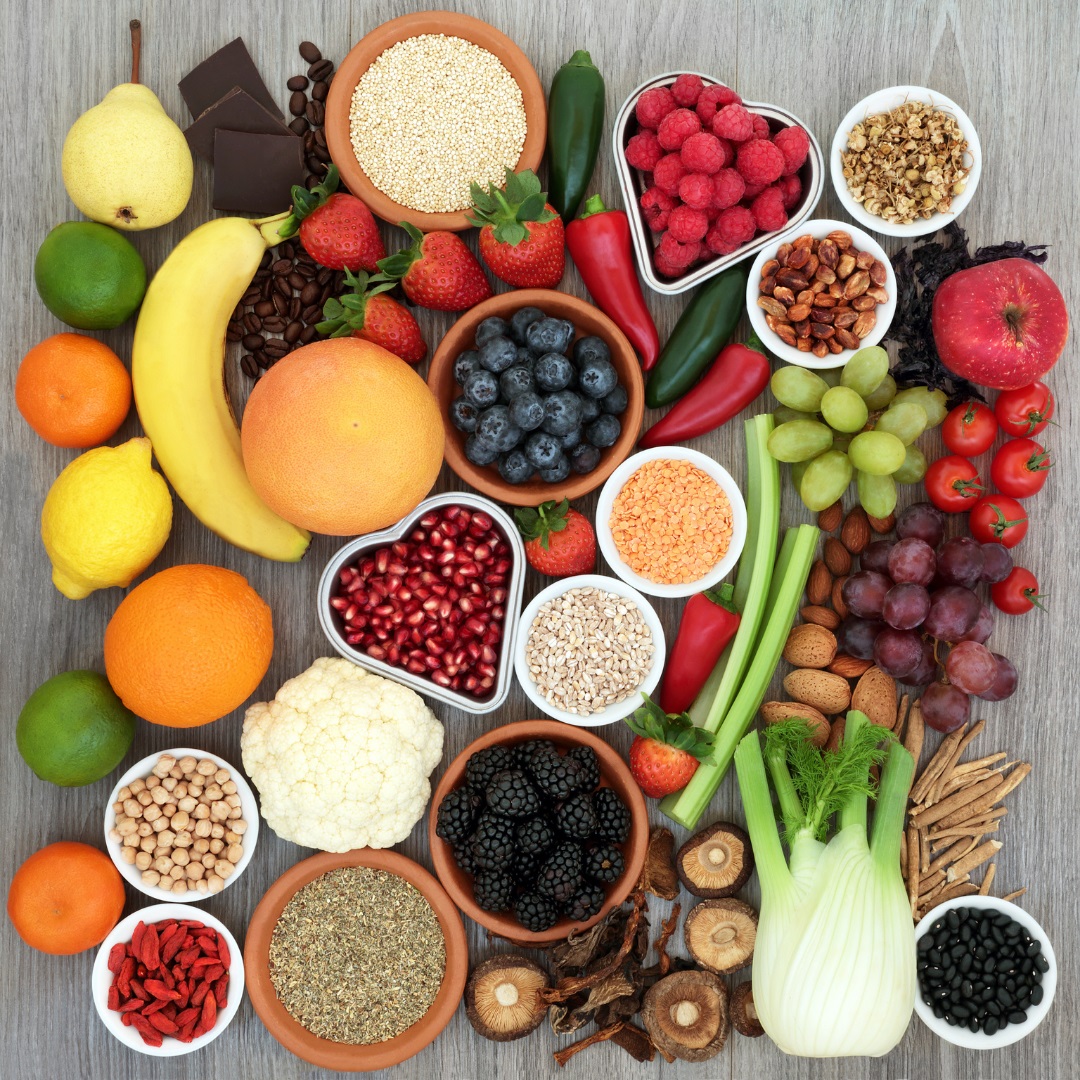
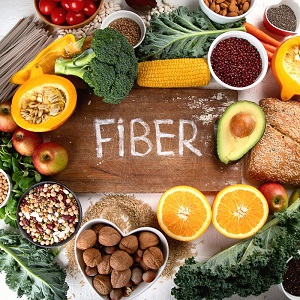
Found primarily in plant-based foods like fruits, vegetables, whole grains, legumes, nuts, and seeds, fiber supports digestion, heart health, and overall well-being.
Understanding the benefits of eating fiber can help you make better food choices and feel your best.
Supports Healthy Digestion
One of the most well-known benefits of eating fiber is improved digestion.
Fiber adds bulk to stool, helping keep bowel movements regular and preventing constipation.
Insoluble fiber, found in whole grains and vegetables, helps food move smoothly through the digestive tract.
Soluble fiber, found in foods like oats, beans, and apples, absorbs water and forms a gel-like substance that supports gut health.
A fiber-rich diet can also help maintain a balanced gut microbiome, which plays a role in immunity and nutrient absorption.
Helps Maintain a Healthy Weight
Fiber can be a powerful ally for weight management.
High-fiber foods tend to be more filling, helping you feel satisfied longer after meals.
Because fiber slows digestion, it can reduce frequent snacking and overeating.
Many fiber-rich foods are also lower in calories while being nutrient-dense, making them an excellent choice for those looking to maintain or achieve a healthy weight without feeling deprived.
Supports Heart Health
 Eating enough fiber is closely linked to better heart health.
Soluble fiber helps reduce LDL cholesterol, often referred to as “bad” cholesterol, by binding to cholesterol particles and removing them from the body.
Diets high in fiber have been associated with lower blood pressure and reduced risk of heart disease.
Including foods like oats, lentils, berries, and vegetables can support cardiovascular health over time.
Helps Regulate Blood Sugar Levels
Fiber plays an important role in stabilizing blood sugar levels, especially for people with diabetes or insulin resistance.
Soluble fiber slows the absorption of sugar into the bloodstream, preventing sharp spikes and crashes in blood glucose.
This steady release of energy can improve focus, reduce fatigue, and support long-term metabolic health.
Whole grains, legumes, and vegetables are excellent sources of blood sugar-friendly fiber.
Promotes Long-Term Health
A diet rich in fiber has been linked to a lower risk of several chronic conditions, including type 2 diabetes, heart disease, and certain digestive disorders.
Fiber also supports healthy inflammation levels and may help reduce the risk of some cancers.
By regularly choosing fiber-rich foods, you are investing in long-term health and disease prevention.

Regulates digestion and is clinically proven to ease IBS symptoms. Promotes regularity and aids in relieving constipation and diarrhea. Eases IBS discomfort by reducing flatulence, bloating, and dyspepsia. Manages blood sugar as it can lower glycemic response and index when taken with meals.
Easy Ways to Add More Fiber to Your Diet
Increasing fiber intake does not have to be complicated.
Start by choosing whole fruits instead of juice, swapping refined grains for whole grains, and adding beans or lentils to soups and salads.
Gradually increasing fiber and drinking plenty of water can help your body adjust comfortably.
Eating fiber daily is a simple yet powerful way to support your digestion, heart health, and overall wellness.
Small changes can make a big difference over time.